
The Vendor You Trusted: When the Breach Isn't Your Fault (But Still Is Your Problem)
THE SHORT ANSWER
A Los Angeles law firm’s own network was never compromised, but a third-party cloud vendor with legitimate access to its documents may have exposed them anyway. Vendor access is a real door into your data even when your own systems are clean, and most businesses don’t have a formal process for reviewing who holds that access or what they can actually see.
IT Accuracy | Managed IT Services, Los Angeles | Date: September 8, 2026 | 6 min read
AT A GLANCE
There’s a version of a data breach story that’s easy to dismiss: “that would never happen to us, we don’t have security holes like that.” This isn’t that story. This is the one where the firm did everything right on their own end, and the breach happened anyway.
What Happened
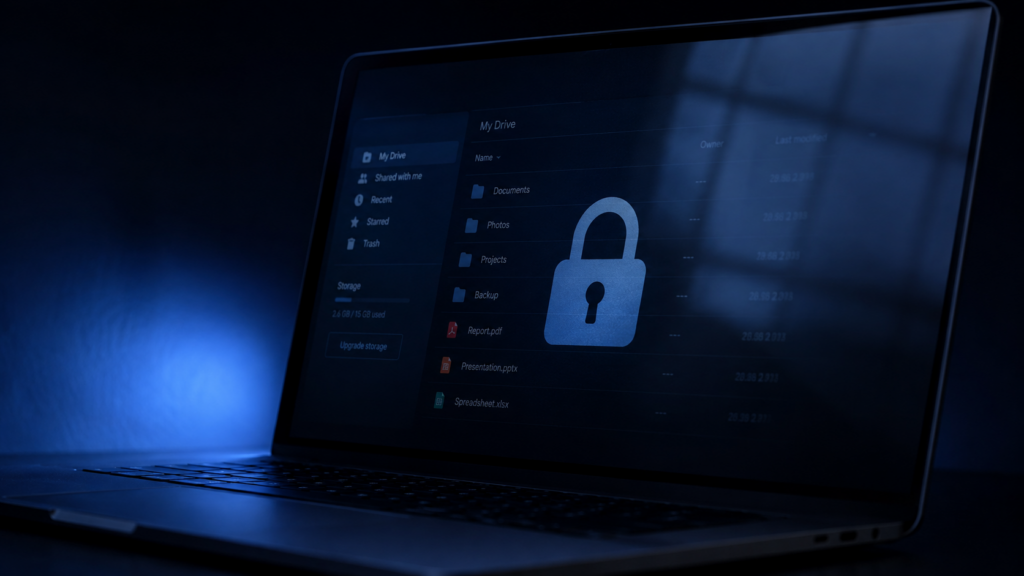
An LA-based personal injury law firm reported that between late October and early November 2025, a third-party cloud vendor with authorized access to the firm’s documents “may have unintentionally permitted, directly or indirectly, unauthorized access” to those cloud-hosted files. The firm’s own network wasn’t compromised. The access point was the vendor.
To their credit, the response was fast and reasonable: they had the vendor delete the accessed files and said publicly they’re now reviewing their vendor vetting and supervision practices. That’s the right instinct. It’s also, notably, a review that’s happening because of the incident, not before it.
Trust Is Not a Security Control
Here’s the part that should sit uncomfortably with almost any business reading this: the firm didn’t hand this vendor access carelessly. Vendors get access because they need it to do the job you hired them for, document storage, billing, scheduling, client communication, whatever it is. That access is functional and normal. It’s also, by definition, a door into your data that you don’t fully control.
Here’s the uncomfortable part, and it’s worth saying plainly instead of dancing around it: from the perspective of anyone whose data got exposed, whose fault it was doesn’t matter. The exposure is the same either way. Your clients don’t file a complaint against your vendor. They come to you, because you’re who they trusted with their information, regardless of which system it ended up sitting on.

Your risk doesn’t stop at your own front door. Every vendor relationship is an extension of your security posture, whether you’ve thought of it that way or not.
IT Accuracy Editorial Analysis
Not sure which vendors can see your client data right now?
Get a Free Vendor Risk ReviewWhat Vendor Risk Actually Looks Like Day to Day
Most small and mid-size businesses don’t have a formal vendor risk process. Access gets granted when a new tool gets adopted, and it rarely gets revisited unless something goes wrong. That’s not negligence exactly, it’s just how businesses grow when IT isn’t a dedicated function.
Action steps for Los Angeles businesses
This case sits alongside another recent LA story involving a school district’s vendor pay-to-play scheme, a very different kind of vendor failure, but the same underlying lesson: your risk doesn’t stop at your own front door. Every vendor relationship is an extension of your security posture, whether you’ve thought of it that way or not.
IT Accuracy — Managed IT Services, Los Angeles
We help Los Angeles businesses know exactly who has access to their data, and why.
As part of our managed IT services for Los Angeles businesses, we help clients map every vendor with access to client or customer data, review what that access actually covers, and close the gaps before they become a breach notification letter.
We’ve helped CPA firms, law firms, and small businesses across Los Angeles get a clear picture of their vendor stack before it becomes a liability.
Vendor Risk topic cluster: related reading

Managed IT Services | Los Angeles, CA
IT Accuracy provides cybersecurity and security awareness training, managed network services, cloud solutions, and help desk support for businesses across Los Angeles and nationwide.