
The Forgotten Server: Why Old Data Is Still a Live Liability
THE SHORT ANSWER
An inactive, unmonitored server is often a bigger security risk than an active one, because attention and updates tend to stop the moment a system stops being used day to day.
IT Accuracy | Managed IT Services, Los Angeles | Date: August 24, 2026 | 6 min read
AT A GLANCE
Most data breaches make headlines because of what was actively in use: a live database, a production system, an email inbox someone was checking that morning. This one is different, and that’s exactly what makes it worth talking about.
What Happened
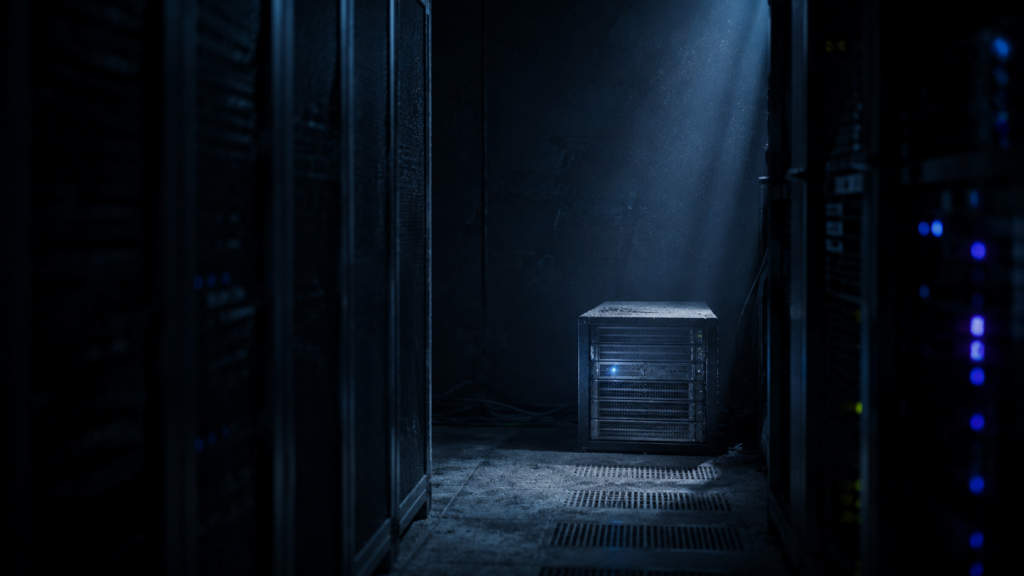
In November 2025, a Los Angeles personal injury firm discovered suspicious activity on a server used for historical record keeping. Not their case management system. Not anything anyone opened day to day. A server holding old, archived files that had, by the firm’s own account, gone essentially unreviewed for years.
An unknown actor viewed and downloaded files from that server before the firm cut off access. What was on it: names, Social Security numbers, financial account information, driver’s license numbers, dates of birth, health insurance information, and medical information.
"We're Not Using It Anymore" Is Not the Same as "It's Safe"
Every business we work with has at least one version of this server. A shared drive nobody’s cleaned out since a system migration three moves ago. An old backup that predates the current IT setup. A folder named “archive” that everyone agrees they should look at eventually.
The instinct is to treat inactive data as lower risk, because nobody’s touching it, nothing’s changing, what’s the harm. But from an attacker’s perspective, an old server is often a better target than a current one. It’s less monitored, and because nobody’s actively maintaining it, patches and security updates tend to lapse first on exactly these systems.
Stale data is a quieter target. A breach on an active system tends to get noticed fast. A breach on a dormant system can run for months before anyone checks the logs.
IT Accuracy Editorial Analysis
Not sure what’s sitting on your old systems right now?
Get a Free Security AssessmentWhat Does This Actually Cost a Los Angeles Business?
Social Security numbers and medical records from a case closed five years ago are just as usable for identity theft as ones from last week. If anything, stale data is a quieter target, because a breach on an active system tends to get noticed fast, while a breach on a dormant one can run for months before anyone checks the logs.
What We'd Recommend
Action steps for Los Angeles businesses
IT Accuracy — Managed IT Services, Los Angeles
We help Los Angeles businesses find out what’s sitting on their old systems before someone else does.
As part of our managed IT services for Los Angeles businesses, we help clients inventory every system, server, and shared drive across their environment, active or not. That work is exactly what prevents the kind of breach in this story: sensitive data sitting on a system nobody’s watching anymore.
We’ve helped CPA firms, law firms, and small businesses across Los Angeles find and secure the legacy systems they’d otherwise forget about.
The uncomfortable truth is that “we forgot about it” is not a defense, legally or practically. If your business is holding onto client, patient, or customer records anywhere, active or not, it’s still your responsibility to know it’s there and know it’s protected.
Data Security topic cluster: related reading

Managed IT Services | Los Angeles, CA
IT Accuracy provides cybersecurity and security awareness training, managed network services, cloud solutions, and help desk support for businesses across Los Angeles and nationwide.